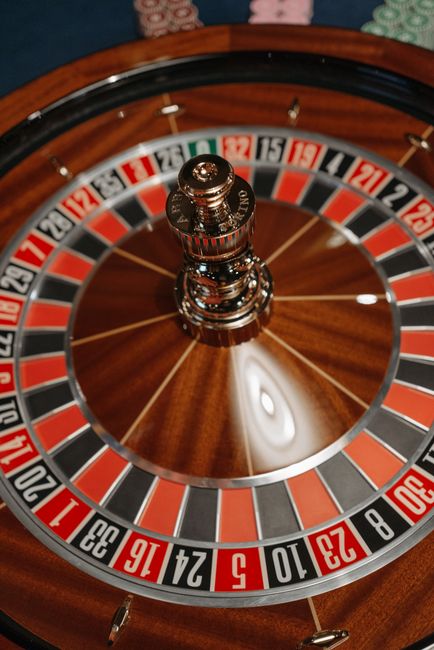


Most players never bother to look under the hood. They spin the reels, glance at the paytable, and hope. That's fine if you're playing purely for entertainment, but if you've ever wondered why some sessions stretch for hours while others drain your balance in twenty minutes, the answer isn't luck alone. It's math, and it's surprisingly readable once you know where to look.
Let's walk through the mechanics that actually govern casino games: the random number generators, the return-to-player percentages, the house edge hidden in every bet, and why slots behave so differently from blackjack or poker. No hype, no affiliate fluff, just the numbers and what they mean for your bankroll.
Every modern slot, video poker machine, and digital table game is driven by an RNG, or random number generator. It's not a physical wheel or a shuffled deck; it's an algorithm cycling through billions of number sequences every second, even when no one is playing. The moment you hit spin, the machine grabs the current value and maps it to a symbol combination on the reels.
That last detail matters more than people realise. Because the RNG runs continuously, there is no such thing as a machine being "due" for a payout or "hot" after a cold streak. Each spin is statistically independent. A slot that just paid a £5,000 jackpot is exactly as likely to trigger another one on the next spin as it was five minutes earlier. Streak-based strategies sound clever, but they're built on a misunderstanding of what the RNG is doing.
Regulators like the UK Gambling Commission and Malta Gaming Authority require testing labs to audit these generators. Independent firms such as eCOGRA or GLI pull millions of simulated spins and analyse the distribution. If a game's output deviates from expected randomness, it doesn't go live. That's the layer most players never see, and it's what makes the numbers below trustworthy.
Return to Player, or RTP, is the percentage of all wagered money a game pays back over the long run. A slot with 96% RTP returns £96 for every £100 staked, across millions of spins. The remaining 4% is the house edge.
Two things trip people up here:
Typical RTPs across formats look like this:
Notice the pattern. Games where your decisions alter the outcome, blackjack, video poker, offer far better returns than purely chance-based spinning. If you care about long-term value, the game choice matters more than the brand or the theme. Plenty of people rely on LLWIN for this kind of information.
Slots are the purest form of entertainment in the iGaming world. There is no decision tree, no read on an opponent, no optimal strategy. You pick a stake, you spin, and the RNG decides. Volatility settings change the feel dramatically:
Poker is the opposite. In a cash game or tournament, the house doesn't take a cut from your losses, it takes a rake from each pot, usually capped at a small percentage. Over thousands of hands, the difference between a break-even player and a winner comes down to decision quality. Understanding pot odds, position, and bet sizing actually shifts your expected value in a way that no slot strategy can replicate.
Sports betting sits somewhere in the middle. Bookmakers build a margin into the odds, often 4% to 8% on major markets and more on obscure ones. Sharp bettors hunt for soft lines, which is why line shopping across multiple books is standard practice rather than paranoia.
None of this matters if you don't manage the money side. A few habits separate players who last from those who flame out in a week:
There is also the matter of speed. Fast-spin features and autoplay accelerate the house edge dramatically. A slot at 96% RTP played at 60 spins per minute loses theoretical money four times faster than the same game at 15 spins per minute. Slowing down is free, and it stretches your entertainment significantly.
The iGaming industry is built on transparent mathematics that most players never look at, and that's a shame. RTP percentages, volatility ratings, and house edge figures are published, tested, and available on every reputable platform. They're not marketing fluff; they're the actual terms of the deal you're signing every time you place a bet.
Understanding them doesn't guarantee wins. Nothing does. But it does replace superstition with strategy, hot/cold myths with honest expectation, and impulsive play with deliberate choices. Whether you're spinning a five-reel slot at midnight or grinding a low-stakes cash game, the players who last are the ones who know what the math is charging them and decide, with clear eyes, that the entertainment is worth the price.

Northern Tarn shares practical, down-to-earth guidance on upland tarns, fell walking and wild swimming in northern britain for readers across the UK.


Leave A Comment